The defence The Sentimental Softie
“Sincerity is not manipulation.”
The film risks embarrassment to make emotion communal, and that openness is harder than fashionable detachment.
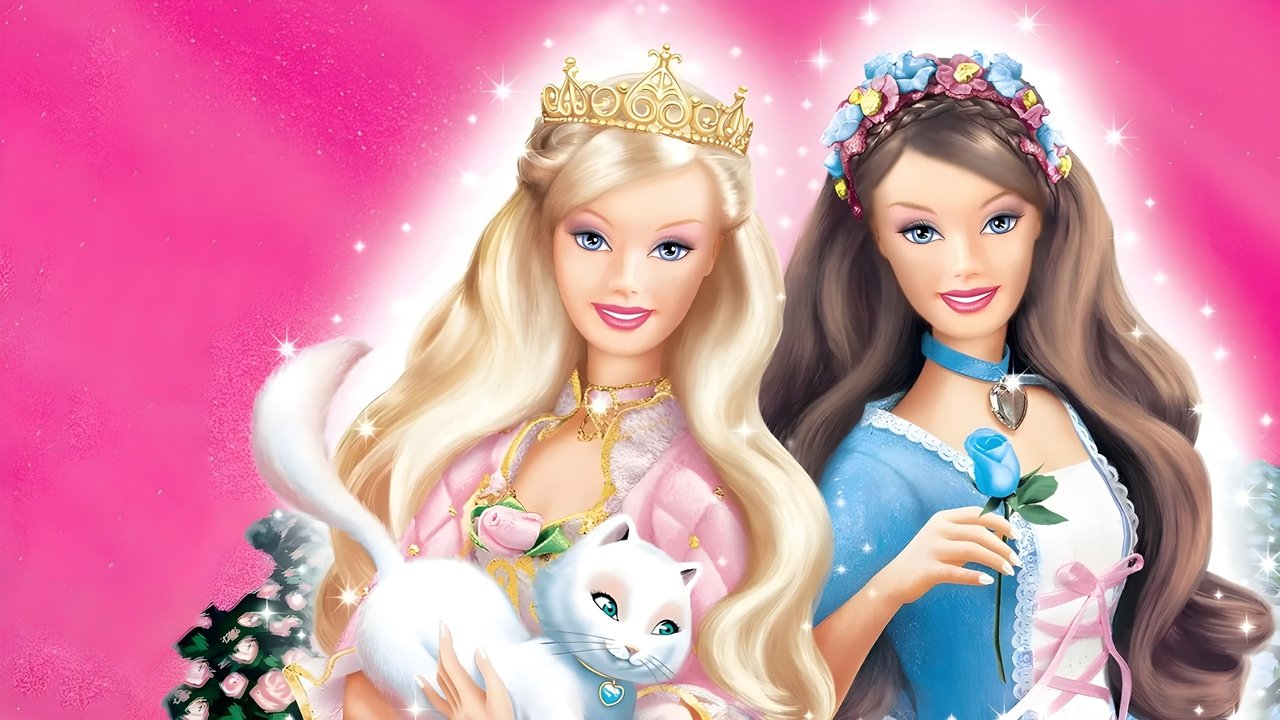

Barbie as The Princess & the Pauper
Animation · Family · Comedy · 2004
In her first animated musical featuring seven original songs, Barbie comes to life in this modern re-telling of a classic tale of mistaken identity and the power of friendship. Based on the story by Mark Twain.
“Singing in her first movie musical!”
Critical arithmetic
Scores change. Arguments endure.
TMDB
7.5 / 10
Community rating
In her first animated musical featuring seven original songs, Barbie comes to life in this modern re-telling of a classic tale of mistaken identity and the power of friendship. Based on the story by Mark Twain.
Not a recommendation score. A measure of how closely the film’s taste signals resemble yours.
The archetype split
The Sentimental Softie
“You came to feel something, and you will.”
Read their caseThe Cool Ironist
“Feeling things is a little embarrassing.”
Read their objectionThe split comes from the same five-axis model used by the test, not audience ratings or review sentiment.
TMDB supplies the candidates. CriticWise reorders them by craft, strangeness, prestige, emotion, and pace.
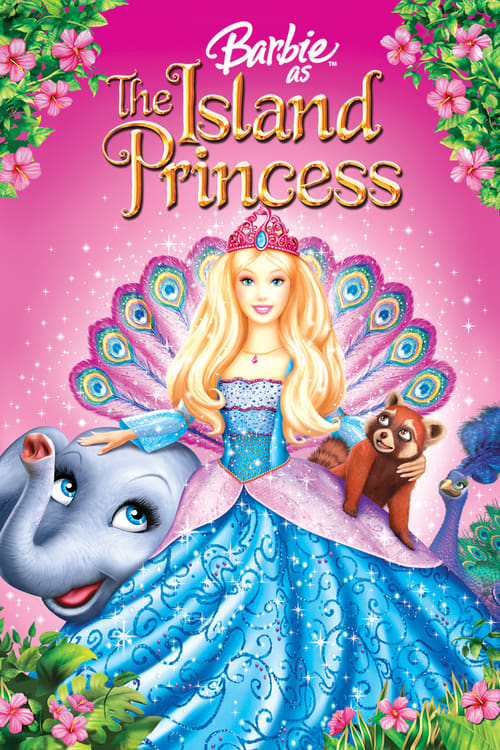
Barbie as the Island Princess
Animation · 2007
Young Rosella is saved by a few kind animals after a shipwreck. Now called Ro, she learns to talk to animals. One day, she saves the life of a prince and returns to civilisation to discover her past.
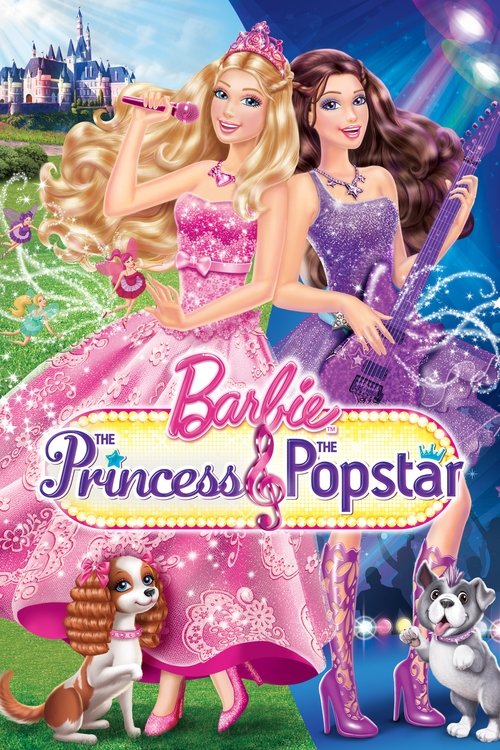
Barbie: The Princess & the Popstar
Family · 2012
Tori is a blonde princess who is bored of living her royal life, and has dreams of becoming a popstar. Keira, on the other hand, is a brunette popstar who dreams of being a princess. When the two meet, they magically trade places, but after realising it is best to be themselves.
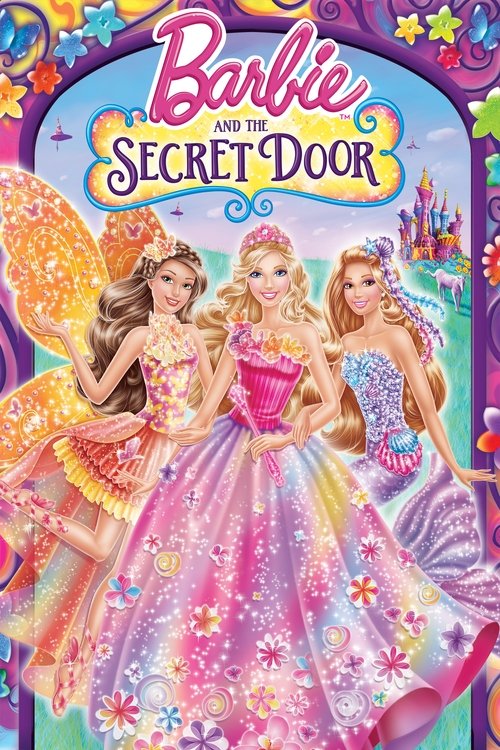
Barbie and the Secret Door
Animation · 2014
A shy princess discovers a secret door in her kingdom and enters a magical world full of magical creatures. She meets a mermaid and a fairy who tell her about a spoiled ruler threatening them.
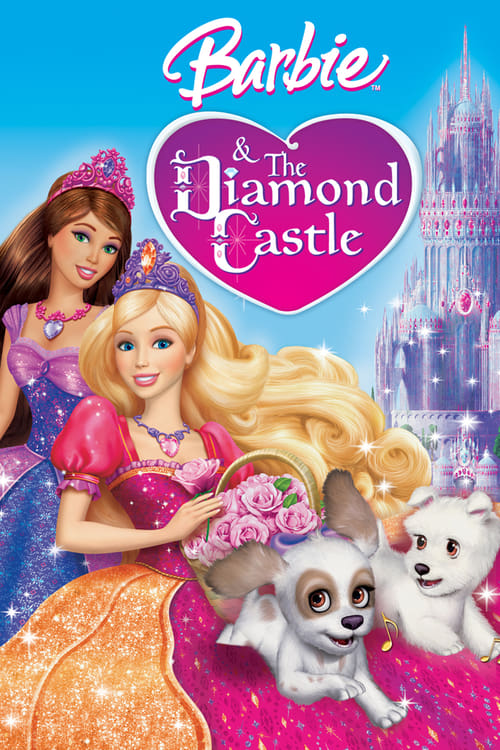
Barbie and the Diamond Castle
Animation · 2008
Liana and Alexa are best friends who share everything, including their love of singing. Upon meeting a girl inside a mirror, the duo embark on a journey that will put their friendship to the ultimate test.

Barbie of Swan Lake
Animation · 2003
Barbie as Odette, the young daughter of a baker, follows a unicorn into the Enchanted Forest and is transformed into a swan by an evil wizard intent on defeating the Fairy Queen.
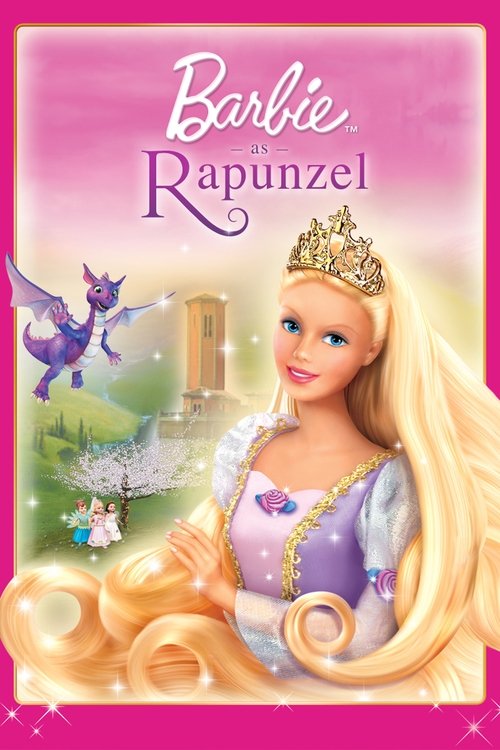
Barbie as Rapunzel
Animation · 2002
Barbie stars as Rapunzel, a young girl who is entrapped by a magical barrier by the wicked, Gothel. Rapunzel finds an escape where she finds a Prince and a feud between two kingdoms which goes back to the day she was kidnapped as a child.
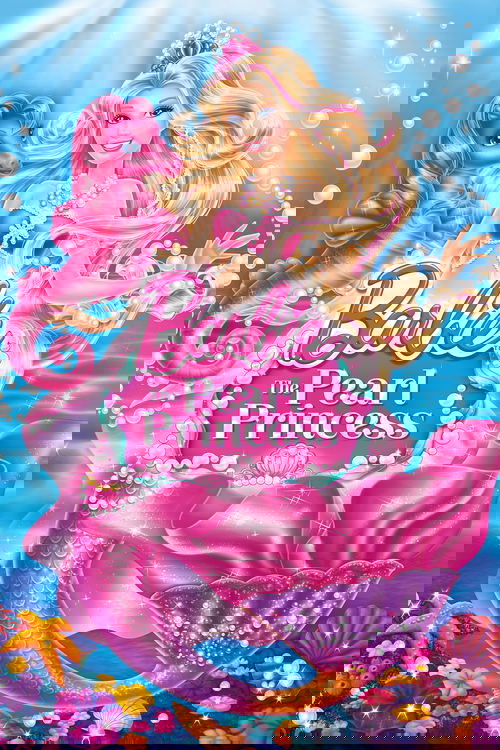
Barbie: The Pearl Princess
Family · 2014
Barbie plays Lumina, a mermaid girl with the power to change the color of pearls. Cheerful and creative, Lumina finds herself working in a mermaid salon customizing fabulous hairstyles. And when Lumina has the chance to attend the royal ball, her friends adorn her with a gown fit for a princess. At the ball, villains try to seize power over the kingdom, and Lumina finds within herself an unexpected power that proves she is much more than a hair stylist.
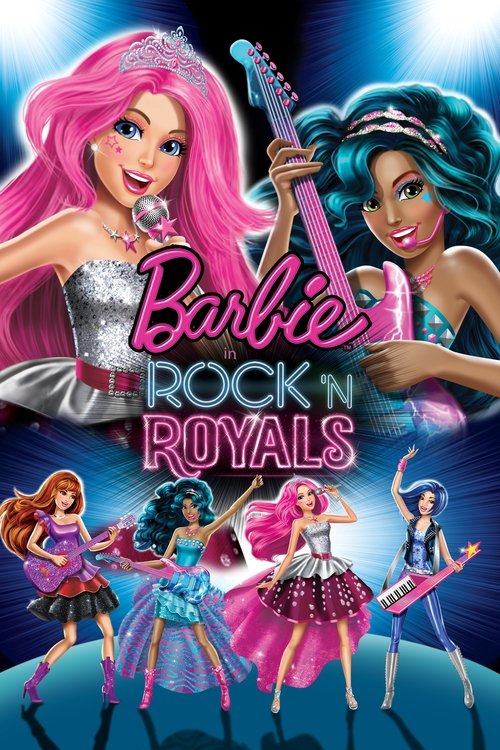
Barbie in Rock 'N Royals
Animation · 2015
When royal Princess Courtney trades places with famous rock star Erika, two worlds collide while both learn to appreciate new friends and experiences.
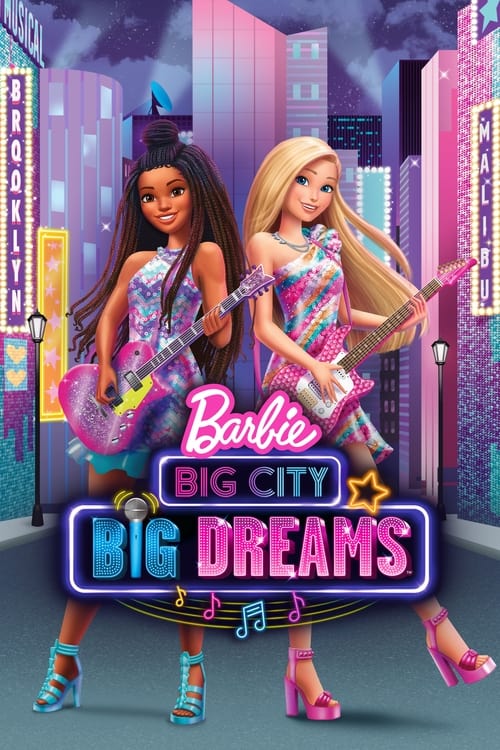
Barbie: Big City, Big Dreams
Animation · 2021
Barbie meets another Barbie Roberts, forming a close friendship, nicknaming each other Malibu and Brooklyn when they both attend the Handlers, Performing Art School in NYC, over the summer, competing for a spot at the spotlight solo.
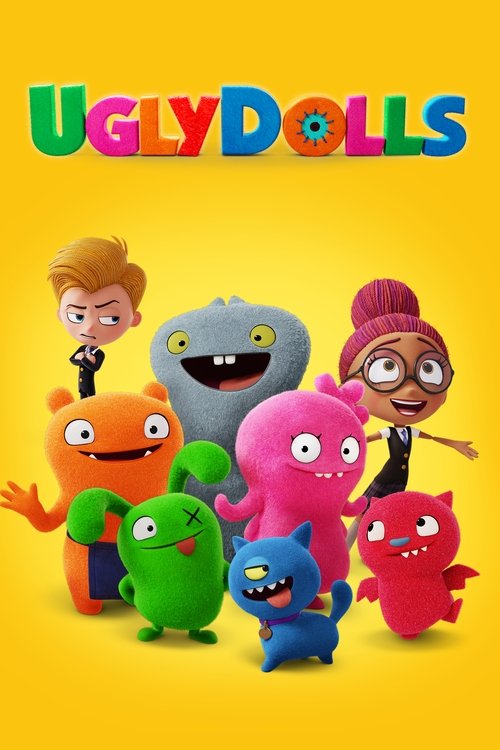
UglyDolls
Animation · 2019
In the adorably different town of Uglyville, weirdness is celebrated, strangeness is special and beauty is embraced as more than meets the eye. After traveling to the other side of a mountain, Moxy and her UglyDoll friends discover Perfection -- a town where more conventional dolls receive training before entering the real world to find the love of a child.
Cinema release signals and current streaming, rental, and purchase options for your region.
Streaming availability data supplied by JustWatch.
Cast & crew
Directed by
William Lau
Written by
Cliff Ruby · Elana Lesser

Kelly Sheridan
Princess Anneliese / Erika (voice)

Melissa Lyons
Princess Anneliese (singing voice)

Julie Stevens
Erika (singing voice)

Mark Hildreth
King Dominick (voice)
Mark Luna
King Dominick (singing voice)

Alessandro Juliani
Julian (voice)

Martin Short
Preminger (voice)
Two incompatible taste archetypes. One film. Read the arguments, then issue a completely binding cultural ruling.
“Sincerity is not manipulation.”
The film risks embarrassment to make emotion communal, and that openness is harder than fashionable detachment.
“The strings are showing.”
Every cue tells you exactly what to feel and when, leaving sentiment to do the work character should have done.