The defence The Sentimental Softie
“Sincerity is not manipulation.”
The film risks embarrassment to make emotion communal, and that openness is harder than fashionable detachment.

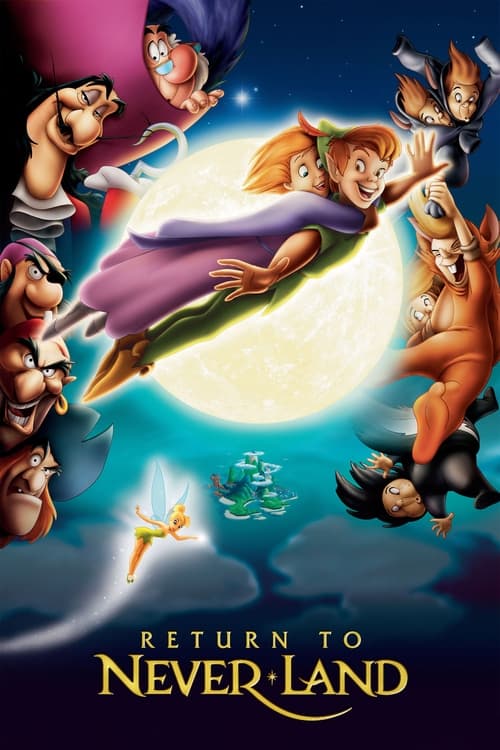
Return to Never Land
Adventure · Fantasy · Animation · 2002
In 1940, the world is besieged by World War II. Wendy, all grown up, has two children; including Jane, who does not believe Wendy's stories about Peter Pan.
“The classic continues.”
Critical arithmetic
Scores change. Arguments endure.
TMDB
6.5 / 10
Community rating
In 1940, the world is besieged by World War II. Wendy, all grown up, has two children; including Jane, who does not believe Wendy's stories about Peter Pan.
Not a recommendation score. A measure of how closely the film’s taste signals resemble yours.
The archetype split
The Sentimental Softie
“You came to feel something, and you will.”
Read their caseThe Cool Ironist
“Feeling things is a little embarrassing.”
Read their objectionThe split comes from the same five-axis model used by the test, not audience ratings or review sentiment.
TMDB supplies the candidates. CriticWise reorders them by craft, strangeness, prestige, emotion, and pace.
Rugrats Go Wild
Family · 2003
When the Rugrats find themselves stranded on a deserted island, they meet the Thornberrys, a family who agrees to help them escape.
The Pagemaster
Family · 1994
Rich knows a lot about accidents. So much so, he is scared to do anything that might endanger him, like riding his bike, or climbing into his treehouse. While in an old library, he is mystically transported into the unknown world of books, and he has to try and get home again.
The SpongeBob Movie: Search for SquarePants
Adventure · 2025
Desperate to be a big guy, SpongeBob sets out to prove his bravery to Mr. Krabs by following The Flying Dutchman – a mysterious swashbuckling ghost pirate – on a seafaring adventure that takes him to the deepest depths of the deep sea, where no Sponge has gone before.
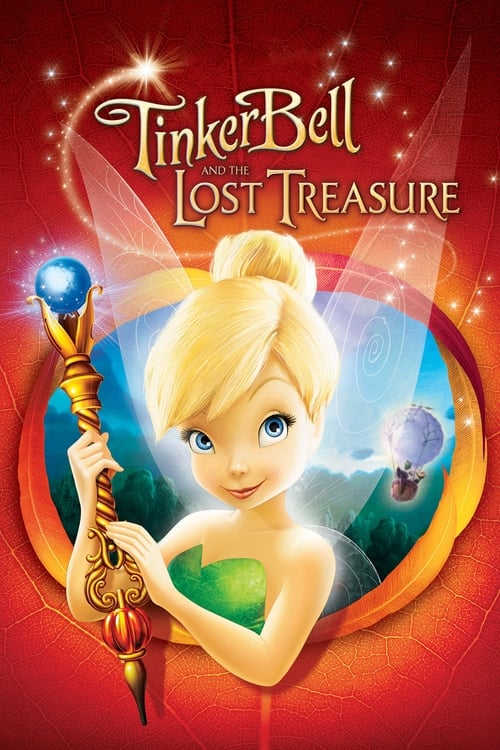
Tinker Bell and the Lost Treasure
Animation · 2009
A blue harvest moon will rise, allowing the fairies to use a precious moonstone to restore the Pixie Dust Tree, the source of all their magic. But when Tinker Bell accidentally puts all of Pixie Hollow in jeopardy, she must venture out across the sea on a secret quest to set things right.
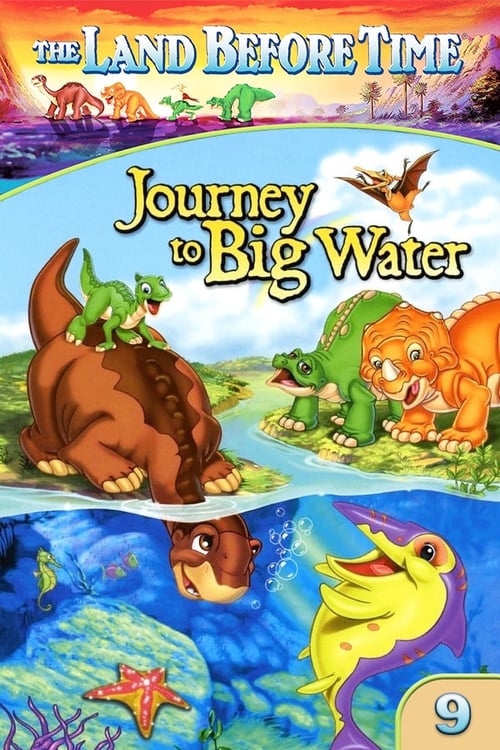
The Land Before Time IX: Journey to Big Water
Animation · 2002
Littlefoot befriends with a mysterious, fun-loving dolphin-like creature named Mo, who is trapped in "new water" caused by heavy rain. The gang then goes on an adventure to the "big water" to bring Mo home.
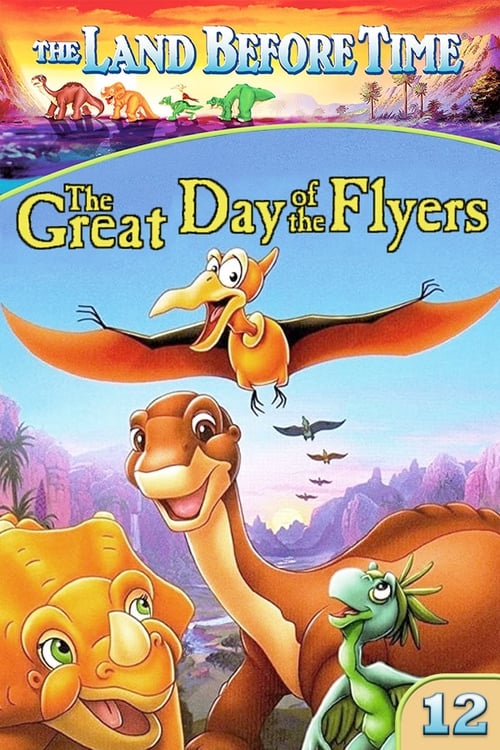
The Land Before Time XII: The Great Day of the Flyers
Animation · 2006
As the Great Day of the Flyers nears, the Great Valley's flying youngsters are eager to participate in the annual exhibition to show off their skills. Everyone, that is, except free-spirited pterodactyl Petrie, whose individualism causes problems when it comes to staying in formation. Enter his dinosaur pals Littlefoot, Cera, Spike and Ducky, who encourage Petrie to embrace his uniqueness.
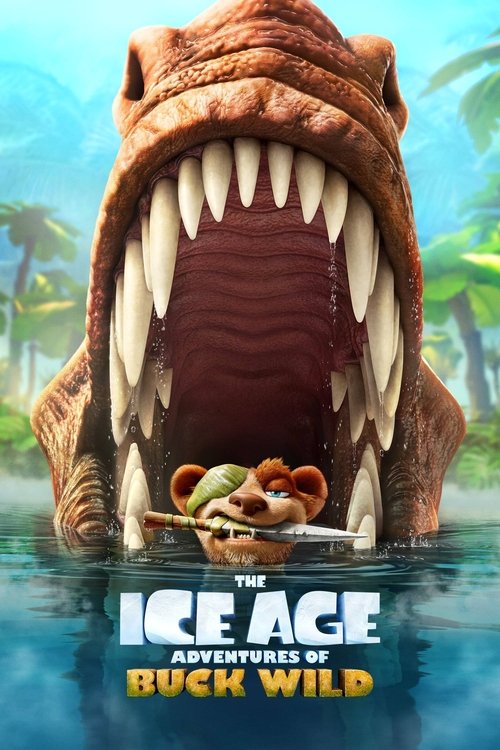
The Ice Age Adventures of Buck Wild
Animation · 2022
The fearless one-eyed weasel Buck teams up with mischievous possum brothers Crash & Eddie as they head off on a new adventure into Buck's home: The Dinosaur World.
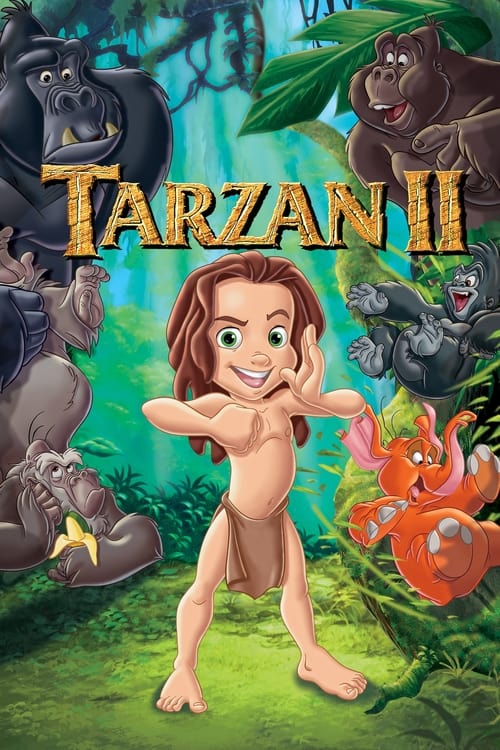
Tarzan II
Adventure · 2005
When one of his missteps puts his family in jeopardy, Tarzan decides they would be better off without him.
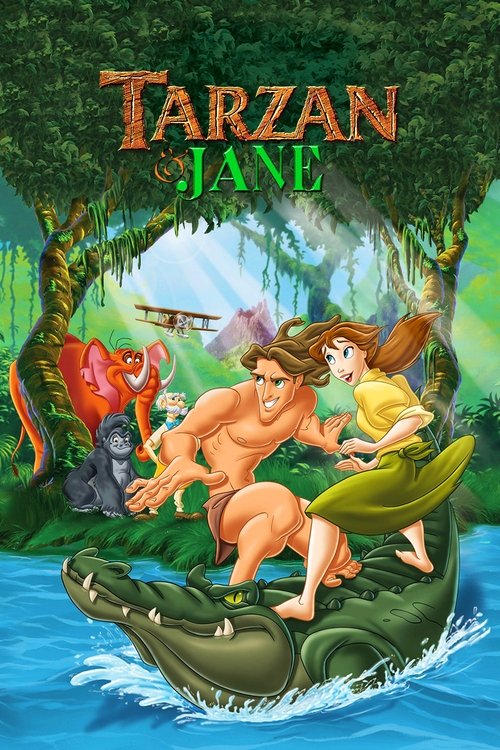
Tarzan & Jane
Animation · 2002
With the first anniversary of her wedding to Tarzan beckoning, Jane ponders how to make it the perfect English celebration.

Peter Pan
Adventure · 2003
In stifling Edwardian London, Wendy Darling mesmerizes her brothers every night with bedtime tales of swordplay, swashbuckling and the fearsome Captain Hook. But the children become the heroes of an even greater story, when Peter Pan flies into their nursery one night and leads them over moonlit rooftops through a galaxy of stars and to the lush jungles of Neverland.
Cinema release signals and current streaming, rental, and purchase options for your region.
Streaming availability data supplied by JustWatch.
Cast & crew
Directed by
Robin Budd
Written by
Temple Mathews

Harriet Owen
Jane / Young Wendy (Voice)

Blayne Weaver
Peter Pan (Voice)
Jeff Bennett
Smee / Pirates (Voice)

Kath Soucie
Wendy Darling (voice)

Corey Burton
Captain Hook (voice)
Andrew McDonough
Danny (voice)

Roger Rees
Edward (voice)
Two incompatible taste archetypes. One film. Read the arguments, then issue a completely binding cultural ruling.
“Sincerity is not manipulation.”
The film risks embarrassment to make emotion communal, and that openness is harder than fashionable detachment.
“The strings are showing.”
Every cue tells you exactly what to feel and when, leaving sentiment to do the work character should have done.