The defence The Sentimental Softie
“Sincerity is not manipulation.”
The film risks embarrassment to make emotion communal, and that openness is harder than fashionable detachment.
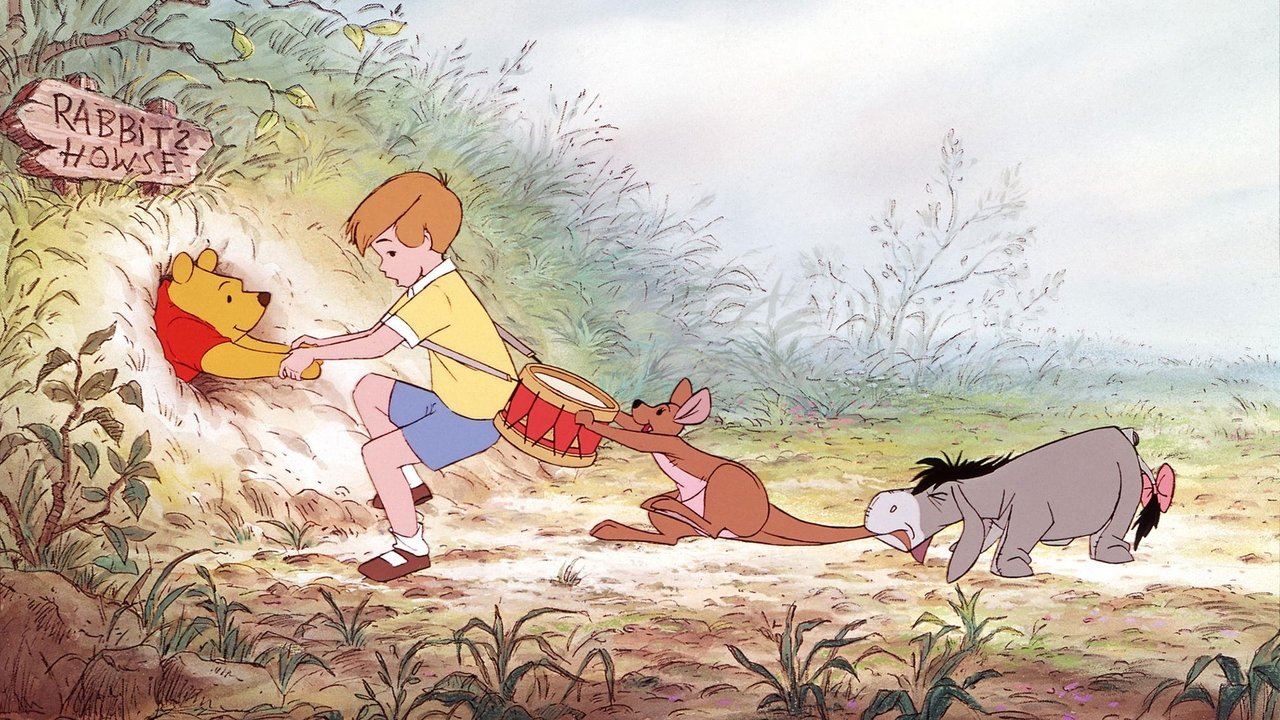

The Many Adventures of Winnie the Pooh
Animation · Family · Adventure · 1977
Whether we’re young or forever young at heart, the Hundred Acre Wood calls to that place in each of us that still believes in magic. Join pals Pooh, Piglet, Kanga, Roo, Owl, Rabbit, Tigger and Christopher Robin as they enjoy their days together and sing their way through adventures.
“Hip hip Poohray!”
Critical arithmetic
Scores change. Arguments endure.
TMDB
7.3 / 10
Community rating
Whether we’re young or forever young at heart, the Hundred Acre Wood calls to that place in each of us that still believes in magic. Join pals Pooh, Piglet, Kanga, Roo, Owl, Rabbit, Tigger and Christopher Robin as they enjoy their days together and sing their way through adventures.
Not a recommendation score. A measure of how closely the film’s taste signals resemble yours.
The archetype split
The Sentimental Softie
“You came to feel something, and you will.”
Read their caseThe Cool Ironist
“Feeling things is a little embarrassing.”
Read their objectionThe split comes from the same five-axis model used by the test, not audience ratings or review sentiment.
TMDB supplies the candidates. CriticWise reorders them by craft, strangeness, prestige, emotion, and pace.

Pooh's Grand Adventure: The Search for Christopher Robin
Animation · 1997
Pooh gets confused when Christopher Robin leaves him a note to say that he has gone back to school after the holidays. So Pooh, Piglet, Tigger, Eeyore and Rabbit go in search of Christopher Robin which leads to a big adventure.
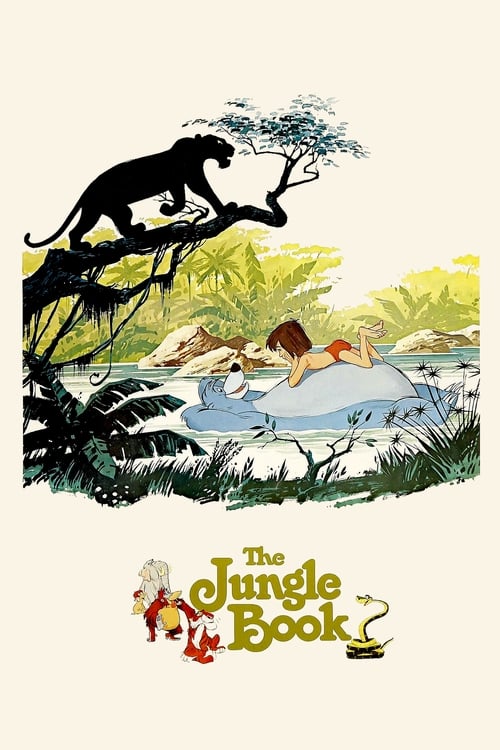
The Jungle Book
Family · 1967
The boy Mowgli makes his way to the man-village with Bagheera, the wise panther. Along the way he meets jazzy King Louie, the hypnotic snake Kaa and the lovable, happy-go-lucky bear Baloo, who teaches Mowgli "The Bare Necessities" of life and the true meaning of friendship.
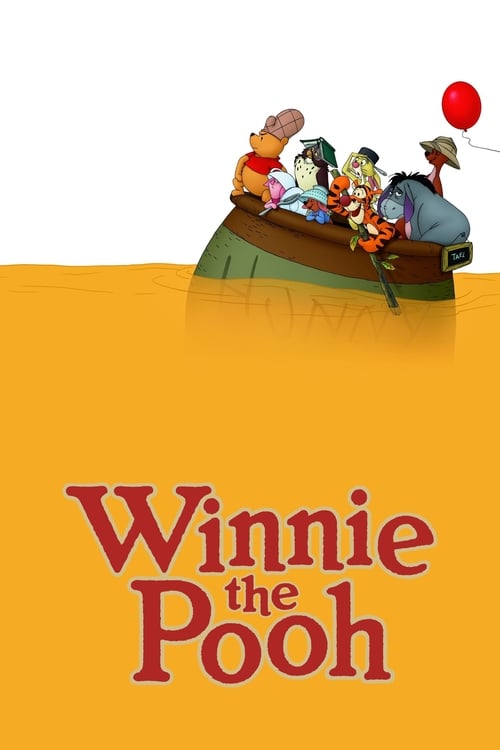
Winnie the Pooh
Animation · 2011
During an ordinary day in Hundred Acre Wood, Winnie the Pooh sets out to find some honey. Misinterpreting a note from Christopher Robin, Owl convinces Pooh, Tigger, Rabbit, Piglet, Kanga, Roo, and Eeyore that their young friend has been captured by a creature named "Backson" and they set out to rescue him.
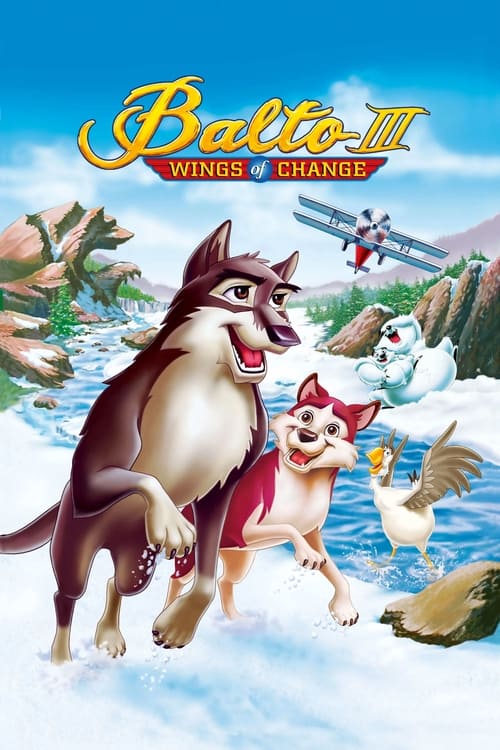
Balto III: Wings of Change
Family · 2004
Balto and the other sled dogs are feeling dejected because the mail that used to be delivered by dogsled is now being delivered by airplanes. But when a mail plane crashes in the mountains, the dogs come to the rescue.
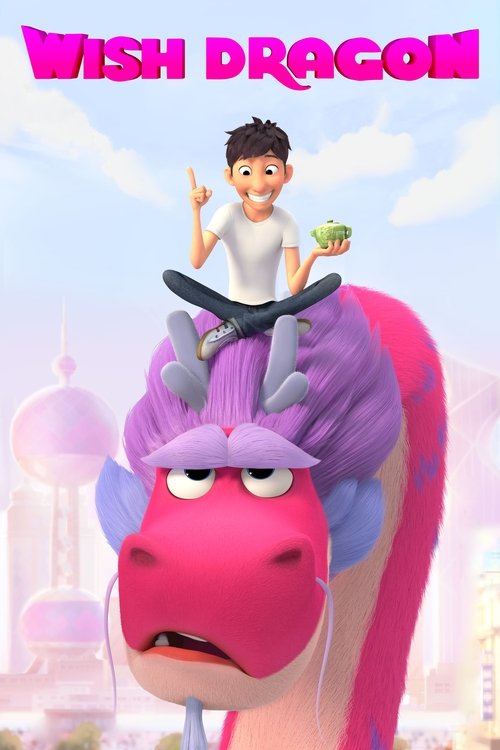
Wish Dragon
Animation · 2021
Determined teen Din is longing to reconnect with his childhood best friend when he meets a wish-granting dragon who shows him the magic of possibilities.
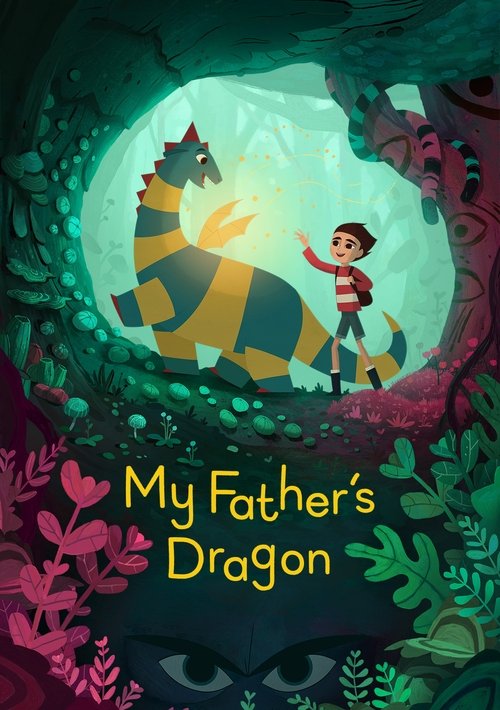
My Father's Dragon
Animation · 2022
Struggling to cope after a move to the city with his mother, Elmer runs away in search of Wild Island and a young dragon who waits to be rescued. Elmer’s adventures introduce him to ferocious beasts, a mysterious island and the friendship of a lifetime.
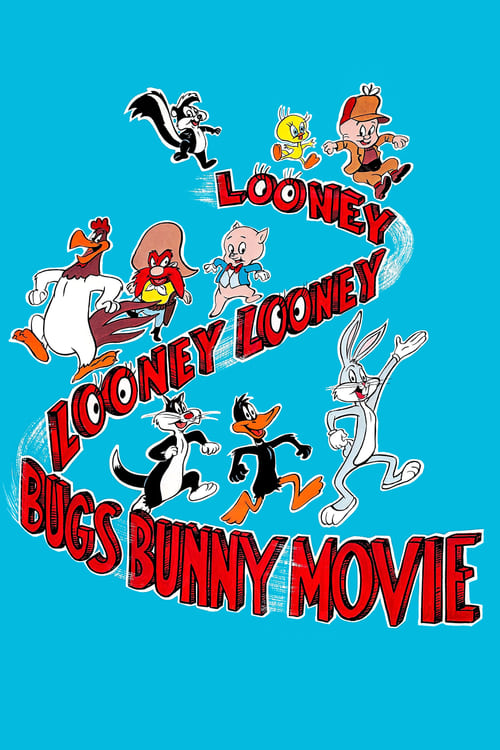
The Looney, Looney, Looney Bugs Bunny Movie
Animation · 1981
Bugs Bunny hosts an award show featuring several classic Looney Tunes shorts and characters.
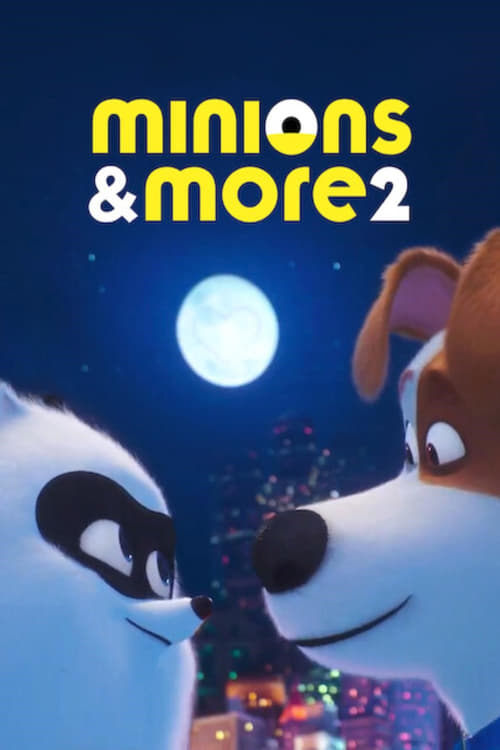
Minions & More Volume 2
Comedy · 2022
This collection of 11 short films produced by Illumination includes: From the "Despicable Me" franchise: Mower Minions (2016); Yellow Is the New Black (2018); Competition (2015); Cro Minion (2015); Binky Nelson Unpacified (2015); Panic in the Mailroom (2013). From the "Secret Life of Pets" franchise: Super Gidget (2019). From the "Sing" franchise: Eddie's Life Coach (2017); Gunter Babysits (2017). From the "Lorax" franchise: Serenade (2012); Wagon Ho! (2012).
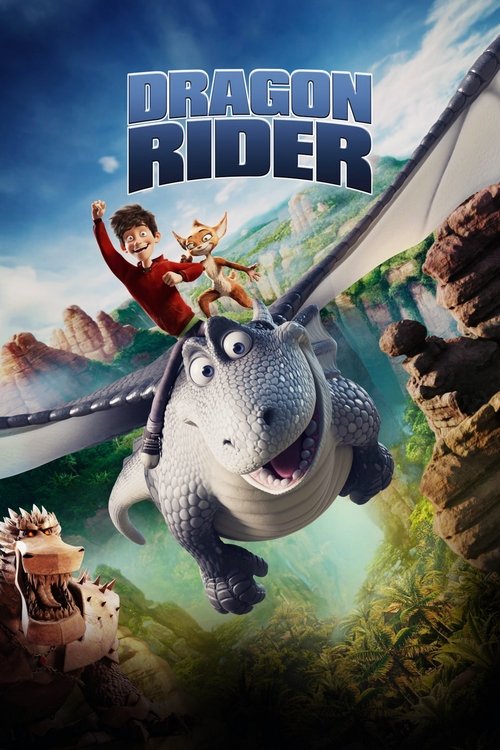
Dragon Rider
Animation · 2020
An unlikely trio of heroes – a dragon, a boy and a forest brownie – embark on an epic adventure to find the “Rim of Heaven” - the mythological safe haven for all dragons.
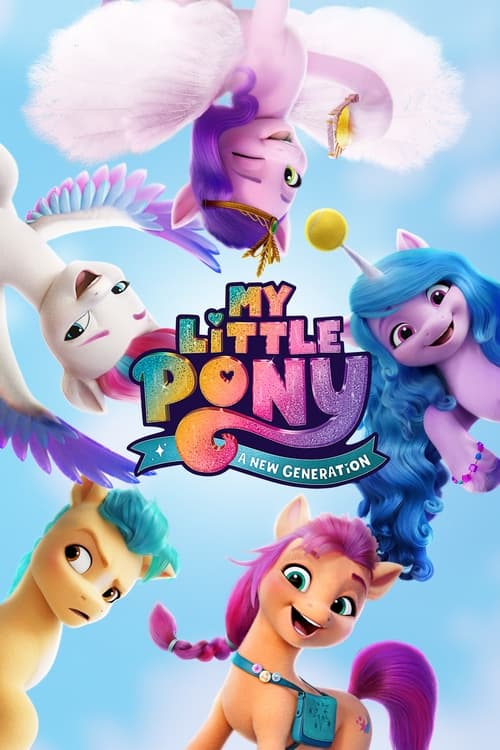
My Little Pony: A New Generation
Animation · 2021
Equestria's divided. But a bright-eyed hero believes Earth Ponies, Pegasi and Unicorns should be pals — and, hoof to heart, she’s determined to prove it.
Cinema release signals and current streaming, rental, and purchase options for your region.
Streaming availability data supplied by JustWatch.
Cast & crew
Directed by
John Lounsbery · Wolfgang Reitherman
Written by
Larry Clemmons · Vance Gerry · Ralph Wright · Ted Berman

Sterling Holloway
Winnie the Pooh (voice)

John Fiedler
Piglet (voice)
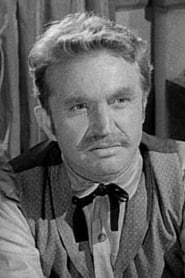
Junius Matthews
Rabbit (voice)

Paul Winchell
Tigger (voice)
Ralph Wright
Eeyore (voice)
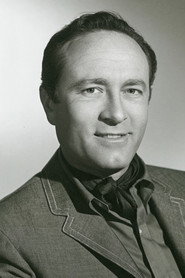
Howard Morris
Gopher (voice)

Bruce Reitherman
Christopher Robin (Honey Tree) (voice)
Two incompatible taste archetypes. One film. Read the arguments, then issue a completely binding cultural ruling.
“Sincerity is not manipulation.”
The film risks embarrassment to make emotion communal, and that openness is harder than fashionable detachment.
“The strings are showing.”
Every cue tells you exactly what to feel and when, leaving sentiment to do the work character should have done.