The defence The Sentimental Softie
“Sincerity is not manipulation.”
The film risks embarrassment to make emotion communal, and that openness is harder than fashionable detachment.
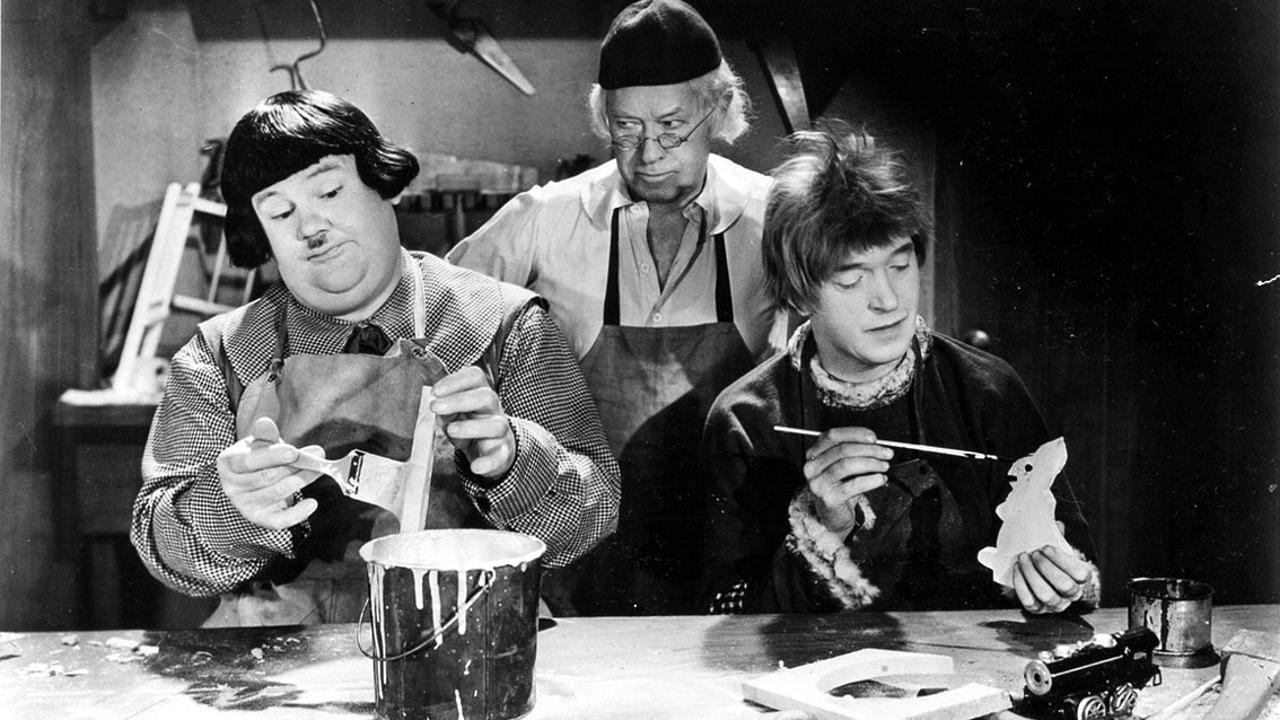
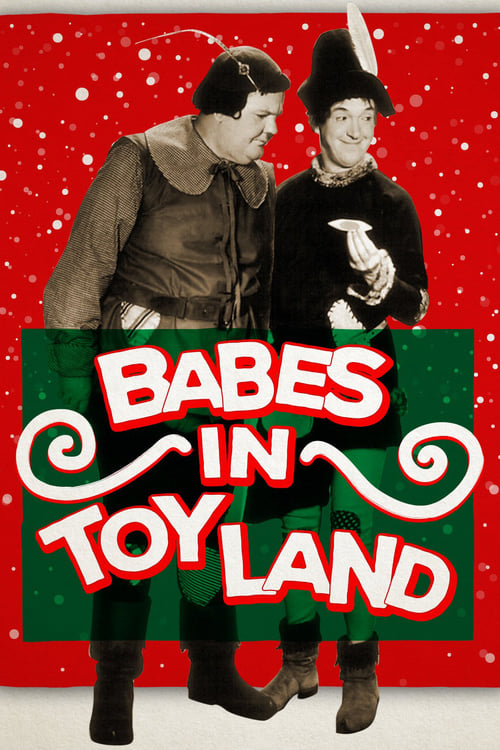
Babes in Toyland
Fantasy · Comedy · Family · 1934
Ollie Dee and Stannie Dum try to borrow money from their employer, the toymaker, to pay off the mortgage on Mother Peep's shoe and keep it and Little Bo Peep from the clutches of the evil Barnaby. When that fails, they trick Barnaby, enraging him.
“1½ hours of hilarious laughter!”
Critical arithmetic
Scores change. Arguments endure.
TMDB
6.3 / 10
Community rating
Ollie Dee and Stannie Dum try to borrow money from their employer, the toymaker, to pay off the mortgage on Mother Peep's shoe and keep it and Little Bo Peep from the clutches of the evil Barnaby. When that fails, they trick Barnaby, enraging him.
Not a recommendation score. A measure of how closely the film’s taste signals resemble yours.
The archetype split
The Sentimental Softie
“You came to feel something, and you will.”
Read their caseThe Cool Ironist
“Feeling things is a little embarrassing.”
Read their objectionThe split comes from the same five-axis model used by the test, not audience ratings or review sentiment.
TMDB supplies the candidates. CriticWise reorders them by craft, strangeness, prestige, emotion, and pace.
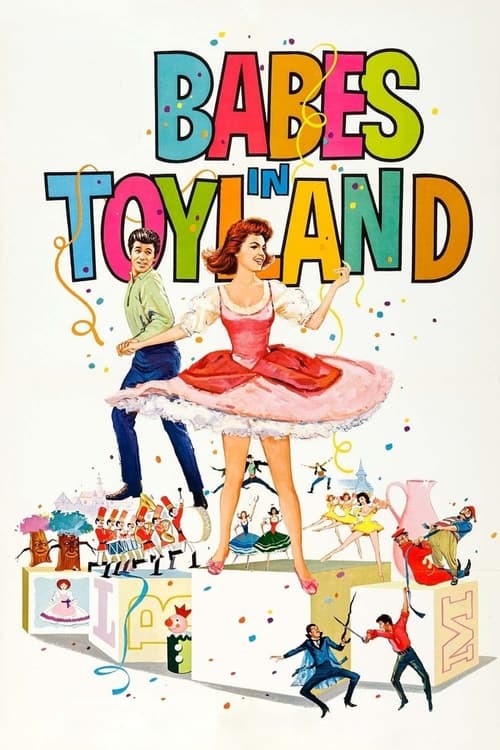
Babes in Toyland
Comedy · 1961
All roads lead to magical, merry Toyland as Mary Contrary and Tom Piper prepare for their wedding! But villainous Barnaby wants Mary for himself, so he kidnaps Tom, setting off a series of comic chases, searches, and double-crosses! The "March Of The Wooden Soldiers" helps put Barnaby in his place, and ensures a "happily ever after" for Tom and Mary!
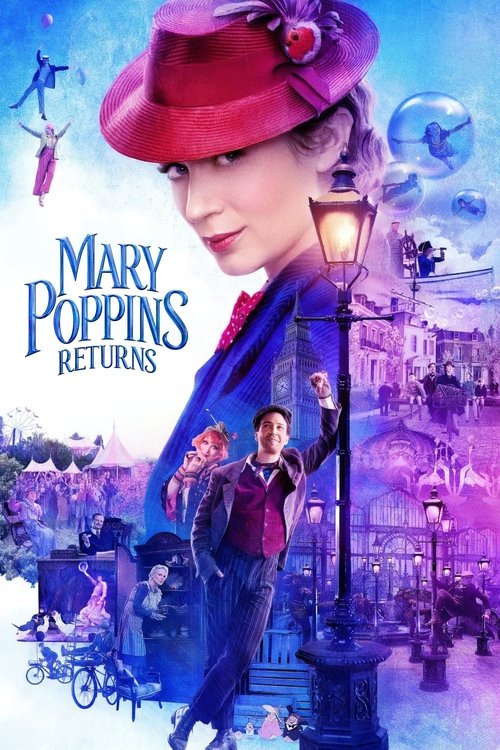
Mary Poppins Returns
Fantasy · 2018
Mary Poppins returns to the Banks family and helps them evade grave dangers by taking them on magical, musical adventures.

Beethoven's Christmas Adventure
Family · 2011
A Christmas elf accidentally takes off in Santa's sleigh, crash lands in a small town, and loses the magic toy bag. Beethoven must rescue the elf, recover the bag from greedy crooks, and return the sleigh to Santa in time to save Christmas.
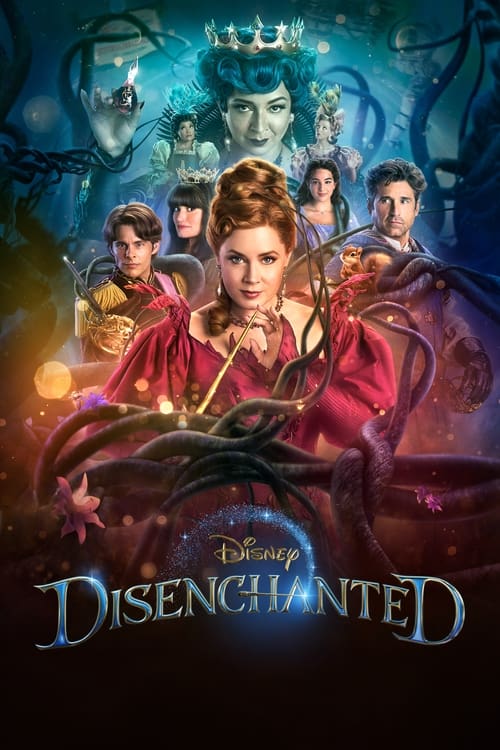
Disenchanted
Comedy · 2022
Disillusioned with life in the city, feeling out of place in suburbia, and frustrated that her happily ever after hasn’t been so easy to find, Giselle turns to the magic of Andalasia for help. Accidentally transforming the entire town into a real-life fairy tale and placing her family’s future happiness in jeopardy, she must race against time to reverse the spell and determine what happily ever after truly means to her and her family.
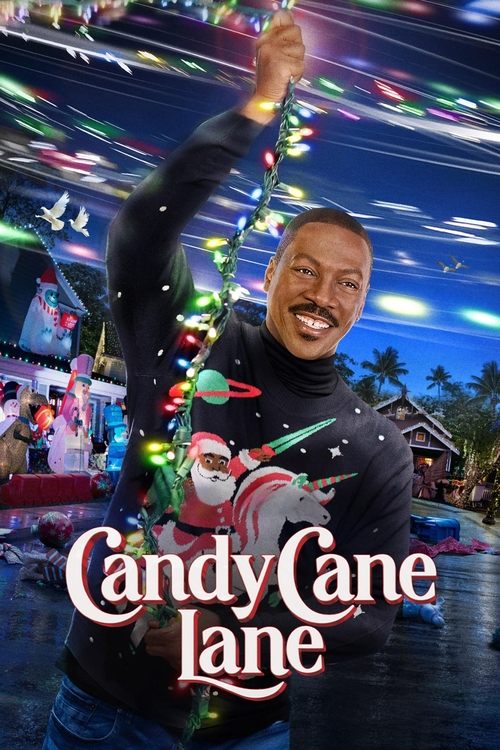
Candy Cane Lane
Comedy · 2023
Determined to win the neighborhood's annual Christmas decorating contest, family man Chris makes a pact with an elf to help him out-do the competition. However, the elf casts a spell bringing the twelve days of Christmas to life, unleashing chaos on the small unsuspecting town.
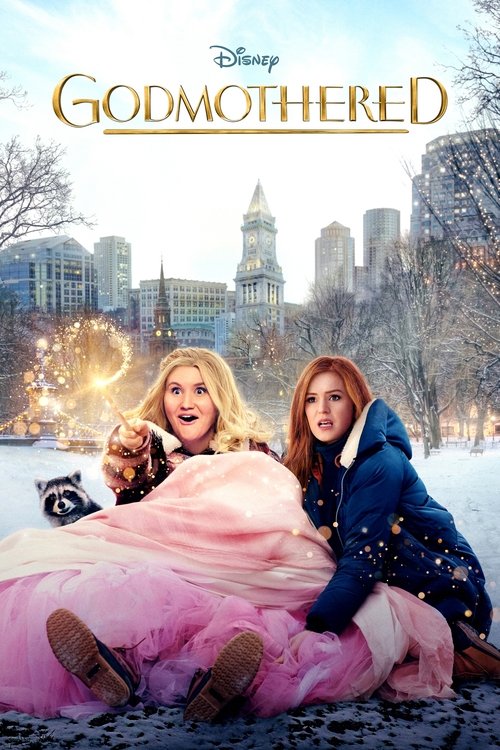
Godmothered
Family · 2020
A young and unskilled fairy godmother that ventures out on her own to prove her worth by tracking down a young girl whose request for help was ignored. What she discovers is that the girl has now become a grown woman in need of something very different than a "prince charming."
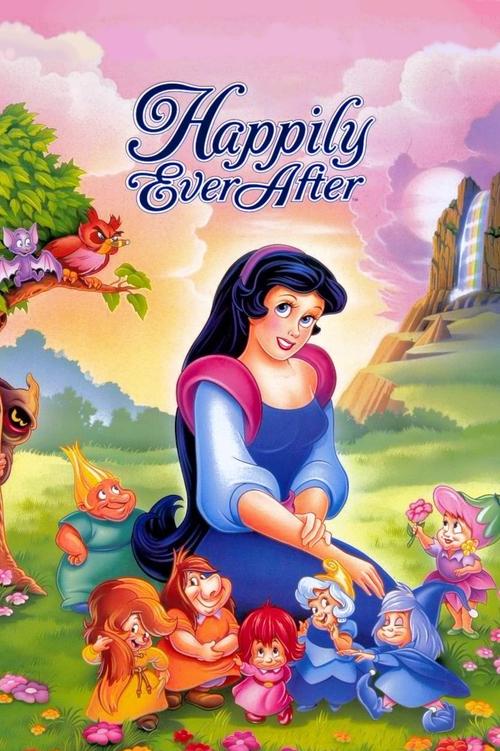
Happily Ever After
Family · 1989
In the aftermath of her more famous adventure, Snow White must team up with the dwarves' seven female cousins to battle the late Evil Queen's warlock brother and rescue the captured Prince.

Legends of Oz: Dorothy's Return
Animation · 2014
Dorothy wakes in post-tornado Kansas, only to be whisked back to Oz to try to save her old friends, the Scarecrow, the Lion, the Tin Man, and Glinda, from a devious new villain, the Jester. New comrades Wiser the Owl, Marshal Mallow, China Princess, and Tugg the Tugboat join Dorothy on her latest magical journey through the colorful landscape of Oz to restore order and happiness to Emerald City.
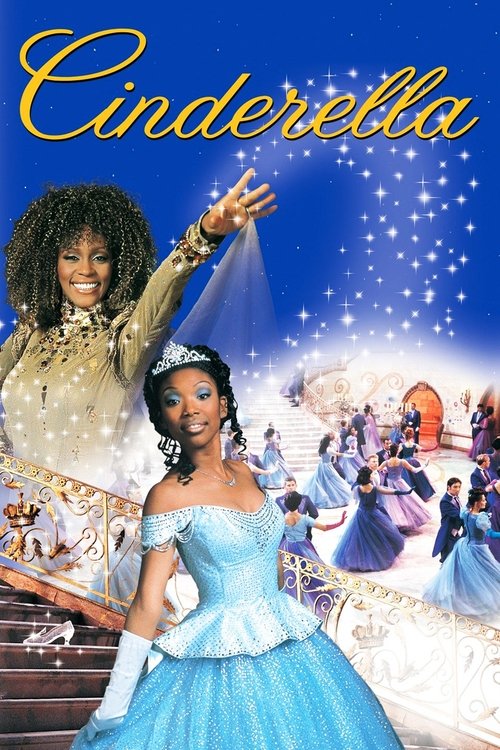
Cinderella
TV Movie · 1997
Cinderella chafes under the cruelty of her wicked stepmother and her evil stepsisters, until her Fairy Godmother steps in to change her life for one unforgettable night. At the ball, she falls for handsome Prince Christopher, whose parents, King Maximillian and Queen Constantina, are anxious for him to find a suitable paramour.
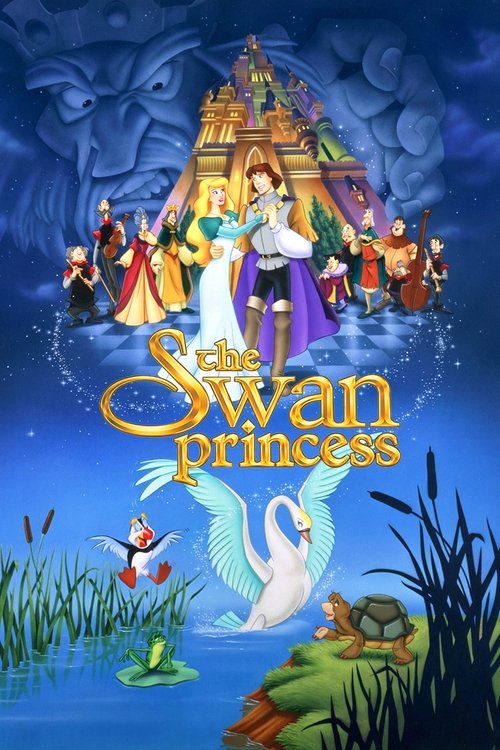
The Swan Princess
Family · 1994
The beautiful princess Odette is transformed into a swan by an evil sorcerer's spell. Held captive at an enchanted lake, she befriends Jean-Bob the frog, Speed the turtle and Puffin the bird. Despite their struggle to keep the princess safe, these good-natured creatures can do nothing about the sorcerer's spell, which can only be broken by a vow of everlasting love.
Cinema release signals and current streaming, rental, and purchase options for your region.
Streaming availability data supplied by JustWatch.
Cast & crew
Directed by
Gus Meins · Charley Rogers
Written by
Frank Butler · Nick Grindé

Stan Laurel
Stannie Dum

Oliver Hardy
Ollie Dee

Charlotte Henry
Little Bo Peep

Henry Brandon
Silas Barnaby

Felix Knight
Tom-Tom Piper

Virginia Karns
Mother Goose

Florence Roberts
The Widow Peep
Two incompatible taste archetypes. One film. Read the arguments, then issue a completely binding cultural ruling.
“Sincerity is not manipulation.”
The film risks embarrassment to make emotion communal, and that openness is harder than fashionable detachment.
“The strings are showing.”
Every cue tells you exactly what to feel and when, leaving sentiment to do the work character should have done.